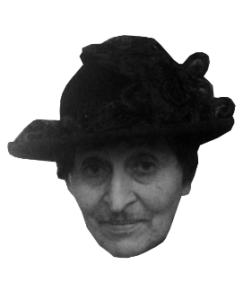
Gertrude Stein Salon
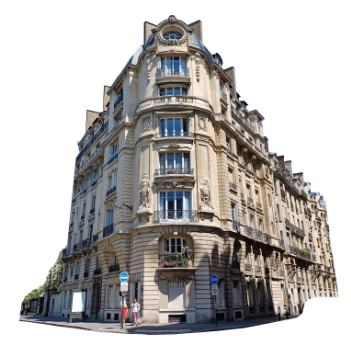
At 27 rue de Fleurus, near the Luxembourg Gardens, Gertrude Stein and Alice B. Toklas established one of the most important artistic and literary salons in twentieth century Paris. Beginning in the early 1900s, their apartment became a gathering place for the Parisian avant garde, its walls densely covered with works by Pablo Picasso, Henri Matisse, Pierre-Auguste Renoir, and other modern artists, leading the space to later be described as an early “museum of modern art.” Stein, who arrived in Paris with her brother Leo Stein, quickly became an influential patron and interlocutor within avant garde circles, while Toklas played a central role in sustaining the salon’s social and intellectual atmosphere.
By the 1920s, the Saturday evening gatherings attracted writers and artists including Ernest Hemingway, Ezra Pound, and Sinclair Lewis, many of whom Stein famously associated with the “Lost Generation.” Stein mentored younger writers and shaped artistic discourse through both her patronage and experimental literary style, while Toklas managed the domestic and social life of the salon, becoming equally renowned for her hospitality and culinary culture. Together, Stein and Toklas transformed rue de Fleurus into a major site of transatlantic artistic exchange in modern Paris.
The salon that reemerged after the war there attracted a different generation of visitors, among them young American G.I.s bringing manuscripts for Stein to read while gathering beneath the paintings that still covered the walls. Until Stein’s death in 1946, she and Toklas continued to receive these guests much as they had before the war, through conversation, hospitality, and introductions that sustained the intellectual and artistic spirit of the salon.