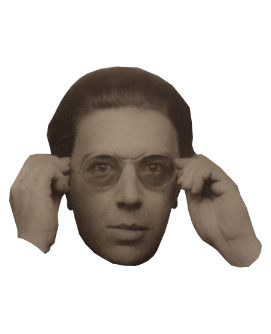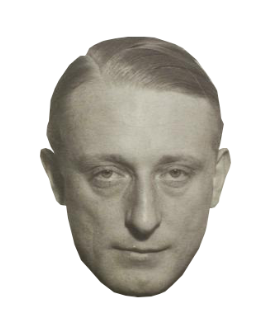
Albert Skira
Albert Skira was a Swiss publisher who played a decisive role in structuring the international field of art publishing in the mid-20th century, operating between Geneva and Paris. Founder of Éditions Skira (1928), he developed a model of the art book that combined scholarly texts, high-quality color reproduction, and advanced printing techniques, positioning the illustrated art volume as both a research tool and a widely disseminated cultural object.
Skira’s practice intersected directly with the Parisian ecosystem of artists, writers, and print ateliers, establishing him at the center of avant-garde networks through projects such as Minotaure (1933–1939), which brought together Surrealist figures including André Breton and Salvador Dalí. After the war, he expanded into major illustrated book series and deluxe editions, collaborating with leading artists such as Pablo Picasso and Henri Matisse. Notable publications include Minotaure (1933–1939), Les Trésors de la peinture française (1940s), and Les Grands Siècles de la Peinture (1950s–1960s), which became foundational references in art history publishing.
Although not a printer, Skira worked closely with major Parisian ateliers responsible for the production of illustrated books and original prints, including Atelier Mourlot, Atelier Lacourière-Frélaut, and Atelier Crommelynck. Through these collaborations, his editions frequently incorporated original prints, situating his output at the intersection of livre d’artiste production and large-scale art publishing.
Skira’s significance lies in his role as a cultural mediator: he facilitated exchanges between artists, critics, printers, and international audiences, contributing to the global circulation of modern art. His publishing model paralleled broader postwar efforts to expand access to art while maintaining exceptional production standards.
Artists


Those of Letters