Jean Cocteau
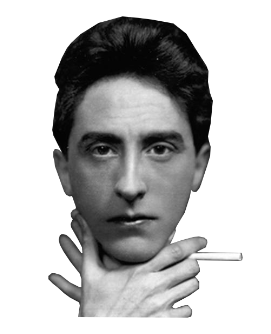
Jean Cocteau (1889–1963) was a French poet, playwright, novelist, filmmaker, designer, and visual artist whose multidisciplinary practice made him one of the central figures of the twentieth-century avant-garde. Renowned for his ability to move fluidly between literature, theatre, ballet, cinema, and visual art, Cocteau became known for works that blended mythology, dream imagery, fantasy, and modern life. Among his most celebrated works are the films La Belle et la Bête (1946), Orphée (1950), and Le Sang d’un poète (1930), as well as the novel Les Enfants terribles (1929) and the play La Machine infernale (1934).
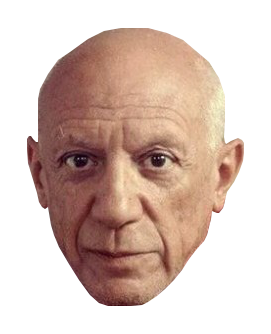
Born near Paris, Cocteau emerged within the artistic circles of the Belle Époque and quickly established close relationships with major cultural figures including Pablo Picasso, Sergei Diaghilev, Erik Satie, and Guillaume Apollinaire. In 1917, he collaborated with Diaghilev, Picasso, and Satie on the ballet Parade, a landmark work of the Parisian avant-garde. Throughout the interwar and postwar decades, Cocteau remained a defining presence within Parisian intellectual and artistic milieus, moving between Surrealist, theatrical, literary, and cinematic circles while maintaining an independent artistic identity.
Artists