Jean Dubuffet
Jean Dubuffet (1901–1985) was a French painter, sculptor, and printmaker best known for developing the concept of Art Brut (“raw art”), a term he used to describe works created outside academic and cultural conventions. Rejecting traditional ideas of beauty and artistic refinement, Dubuffet embraced spontaneity, rough textures, graffiti-like marks, and unconventional materials such as sand, tar, and straw. His work profoundly influenced postwar European and American art, particularly movements connected to assemblage, neo-expressionism, and outsider art.
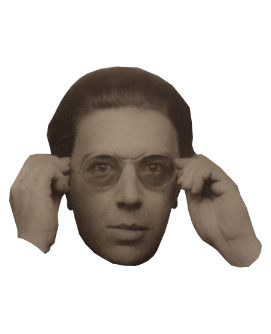
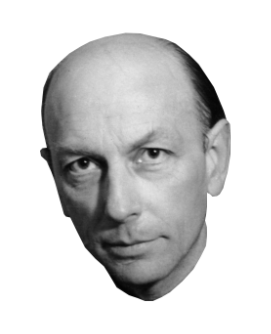
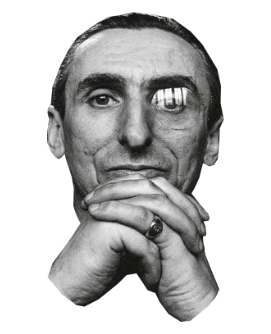
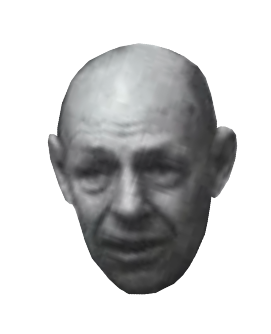
Born in Le Havre, Dubuffet moved to Paris in 1918 to study at the Académie Julian, where he encountered artists including Fernand Léger and André Masson. Although he abandoned painting for periods to work in the family wine business, he returned fully to art during the Second World War. His first major solo exhibition took place at Galerie René Drouin in 1944. In postwar Paris, Dubuffet became a central figure within avant-garde intellectual and artistic circles, maintaining connections with writers, poets, critics, and artists including Jean Paulhan, Michel Tapié, and Henri Michaux.
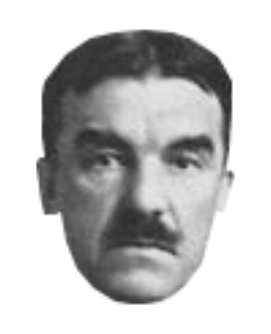
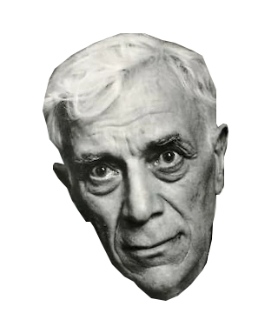
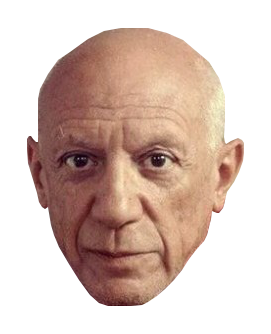
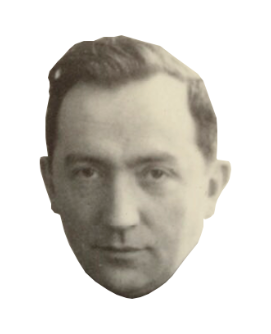
Those of Letters